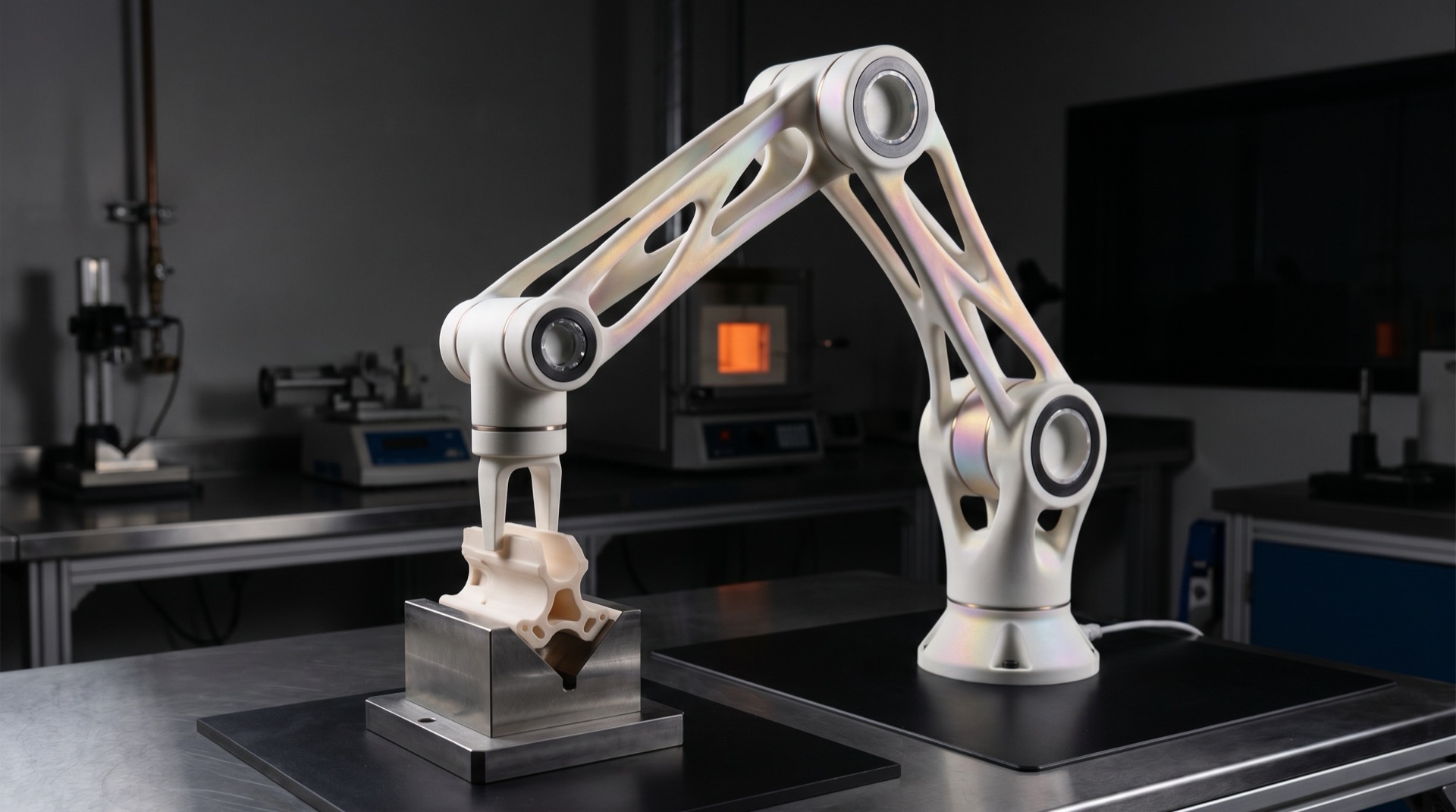
How the impossible part gets made
How the hard part gets made: the material, the software that designs it, and the line that builds it. Each one proven before we build the next on top of it.
The materials
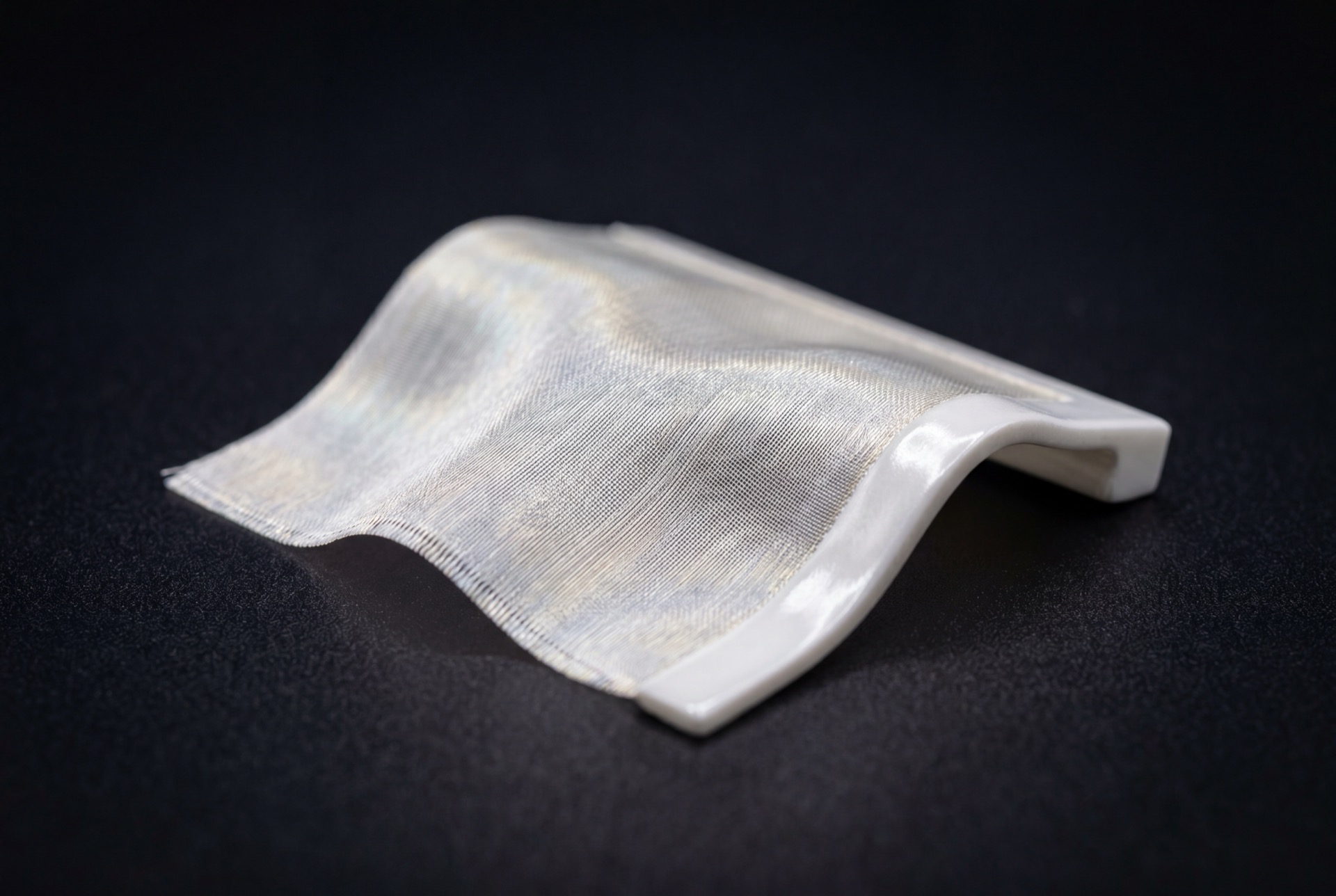
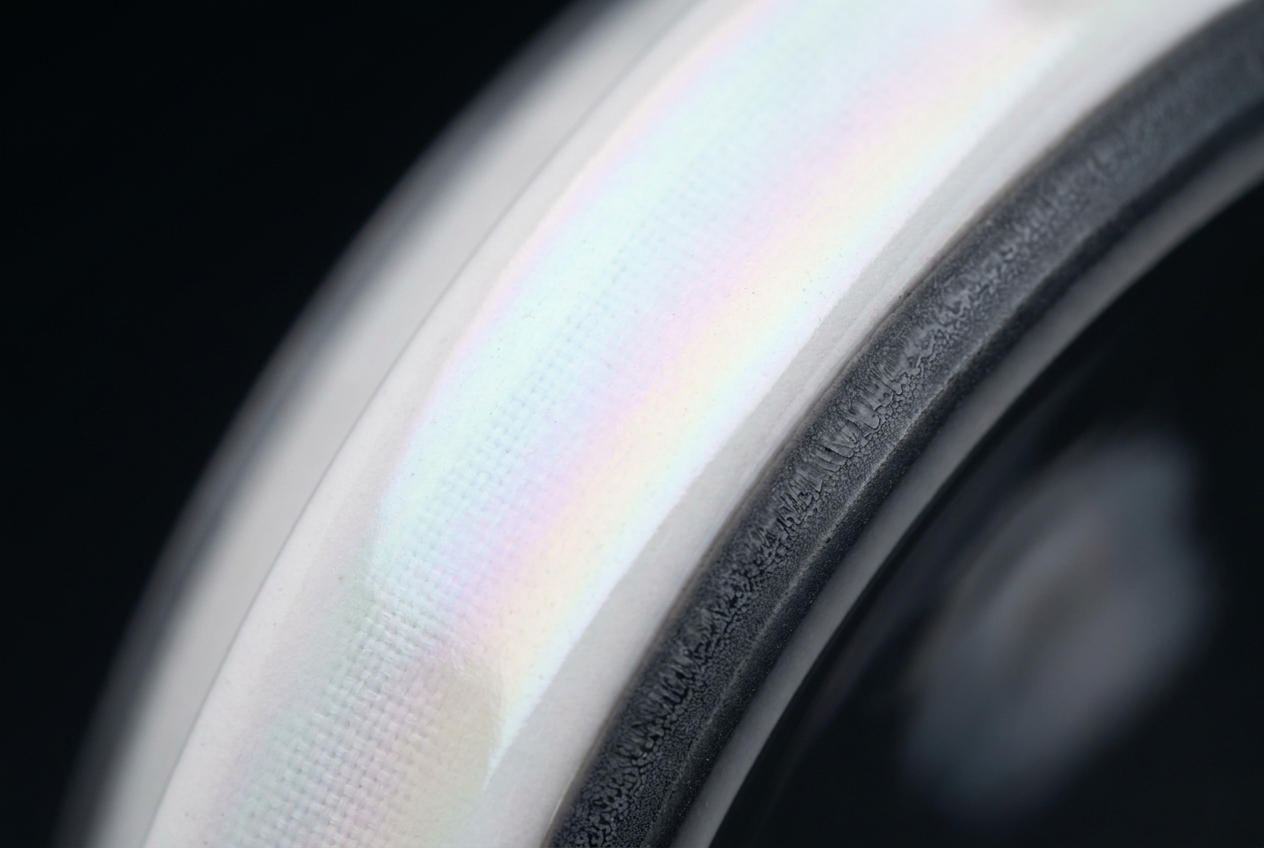
The job is to beat heat. Most machines are capped by the moment their materials soften, melt or corrode, and lifting that cap lets them run hotter, cleaner and lighter. Ceramics take the heat, but on their own they are brittle and crack under real loads. A ceramic composite keeps that heat tolerance and adds toughness, so it survives where metal and plain ceramics fail. We do not bet on one of them. Our software designs each part from a palette, matched to the job and to what is genuinely proven: dense oxide ceramics and tough oxide-ceramic composites today, with coatings where a part needs them. The new piece is single-crystal sapphire fibre, a continuous filament about ten microns across, fine enough to weave and the hardest, highest-temperature reinforcement we can grow. It could reach service nothing else survives, and we are still proving that it does. We say which is which.
The software
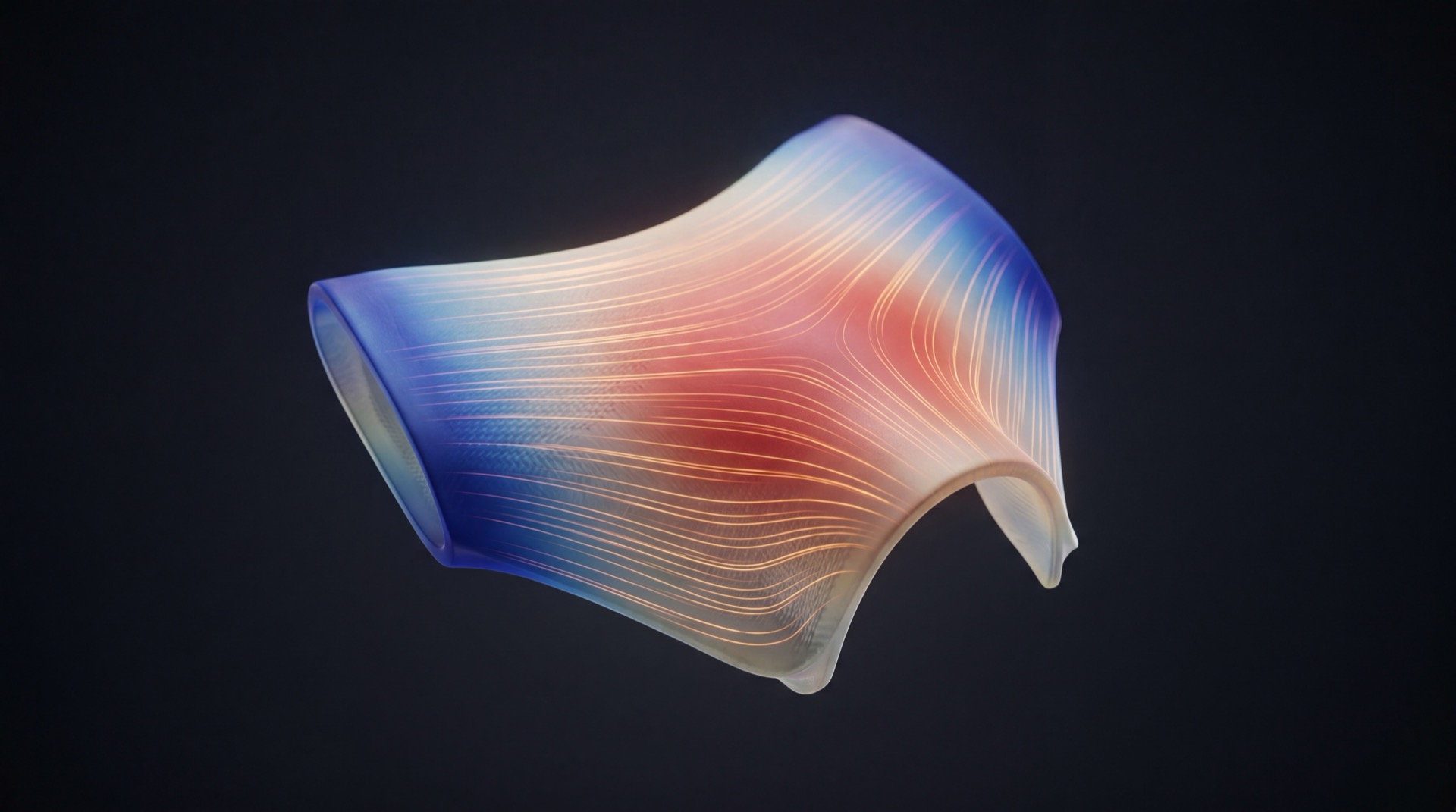
The design is done in software. Our field-to-architecture solver maps a part's simulated stress and heat into a local recipe: fibre angle, fibre fraction and matrix density at every point. It also pre-compensates the unfired shape for the way it shrinks in the kiln, which is what holds tight tolerances. We design and qualify in code rather than by hand, and every qualified part teaches the solver a little more.
The fibre array
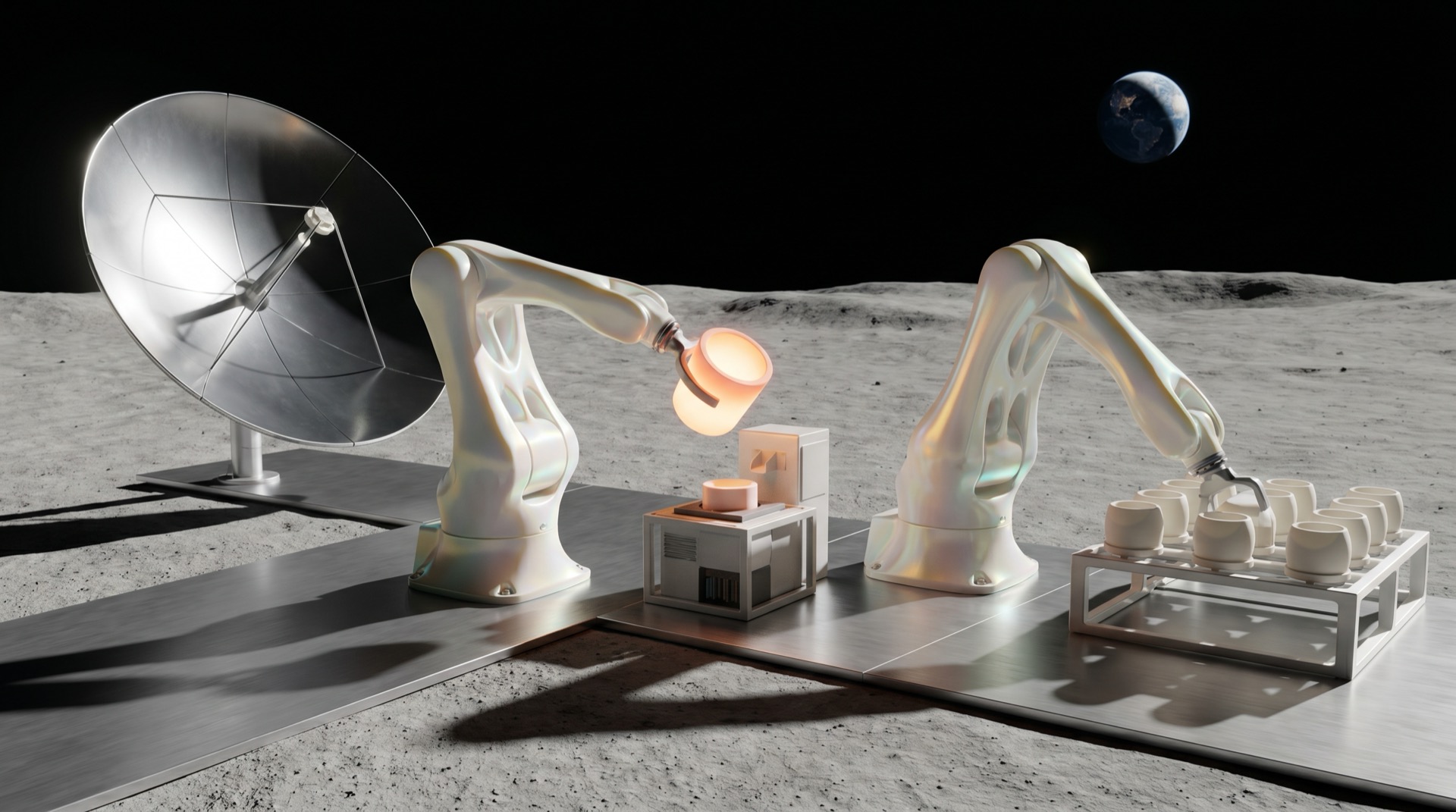
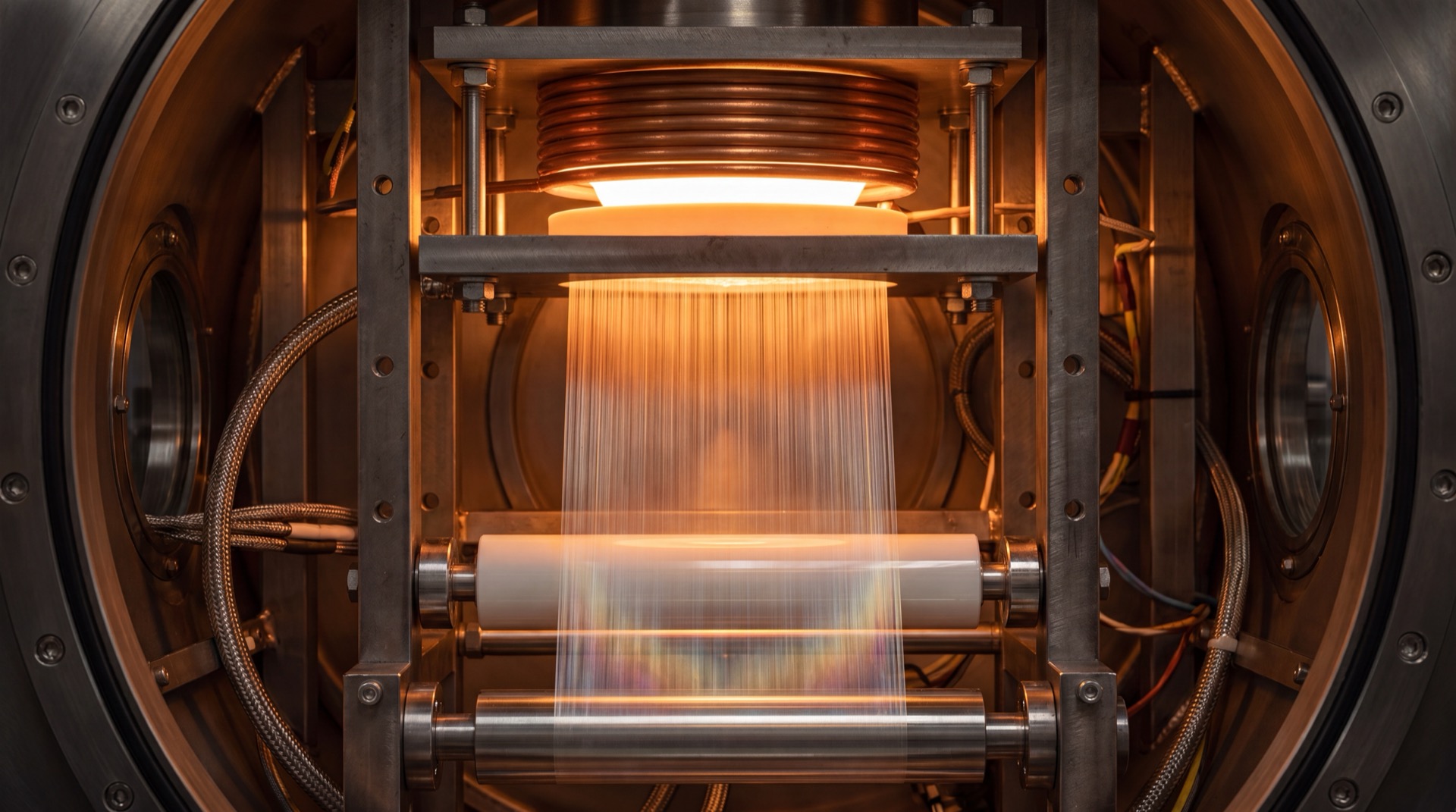
We grow the fibre with a crystal-bushing array, a static, massively parallel micro-pulling-down furnace. One superheated tungsten die plate carries thousands of fine tips. Molten alumina is held at each tip in a pinned meniscus, and from every tip a single-crystal filament is pulled straight down, thousands at a time, where earlier methods grew one or two. The array runs in vacuum, which removes the convection that used to limit fine growth, and induction heats it with no laser and no acid. Each fibre even pipes its own glow back as its sensor. The filaments cool as they descend, anneal in flight, and gather into a flat sheet once cold. It runs as an automated line rather than an operator's art, and an automated cell then builds the parts.
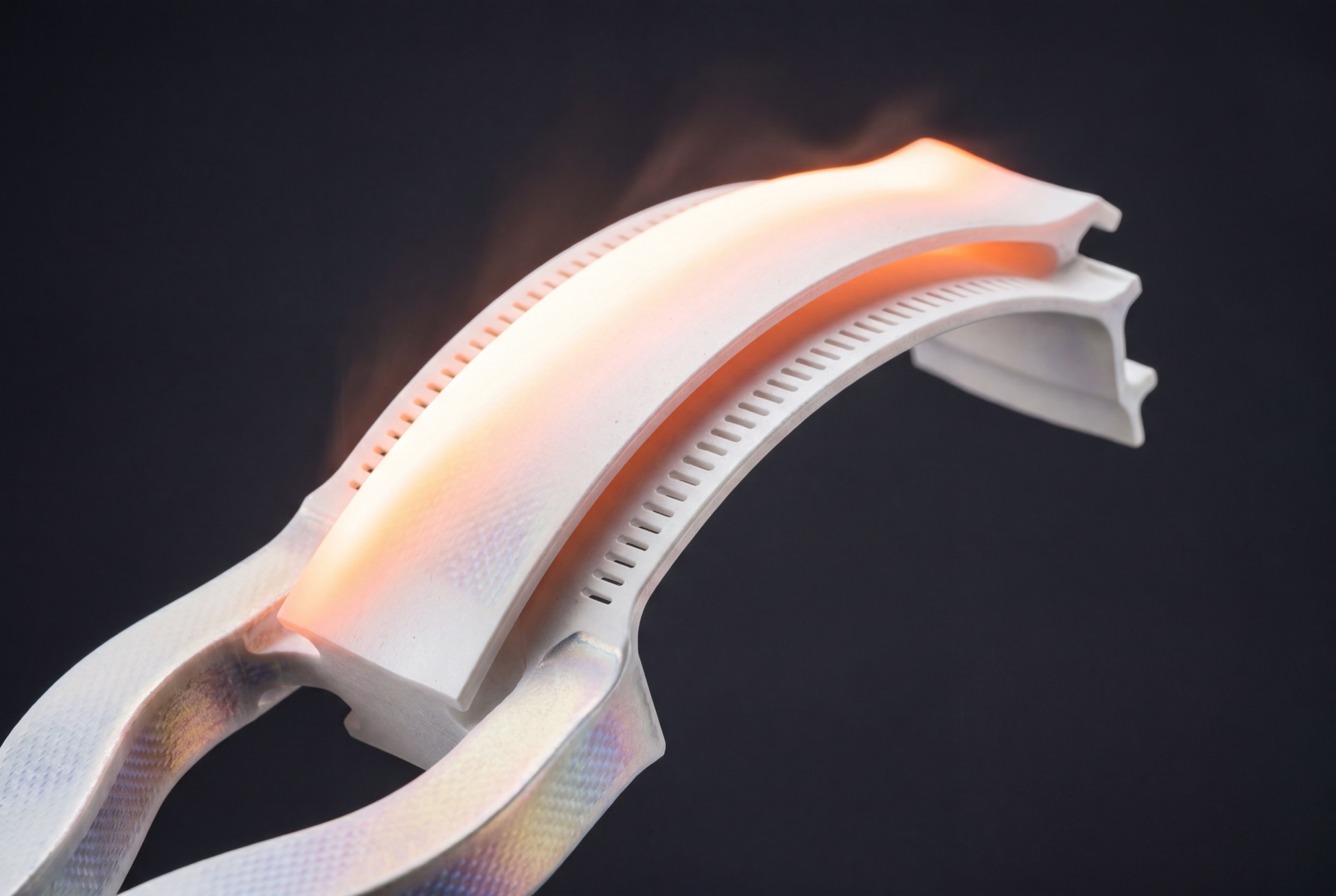
Designed, built, measured
Nothing ships on a claim. Every part is designed in software, built in the cell, and measured against the model, and the qualification record grows with every run. We hold a hard line between what is simulated, what is proven on the bench, and what is still ahead.
What we build from
The materials our software designs from: what is proven today, and the frontier we are pushing. We are clear about which is which.
Pressed and sintered alumina-class parts. Hard, refractory, machinable. The proven base, and our first products.
Oxide fibre in an oxide matrix. Tough, and able to hold its strength in oxidising heat. Designed and graded by the solver.
The genuinely new part: continuous single-crystal sapphire fibre about ten microns across, fine enough to weave, which nobody has managed at scale. The hardest, highest-temperature reinforcement we can grow. It could reach service nothing else survives, and its real-world use is still being proven. We say so.
Fibre to finished part
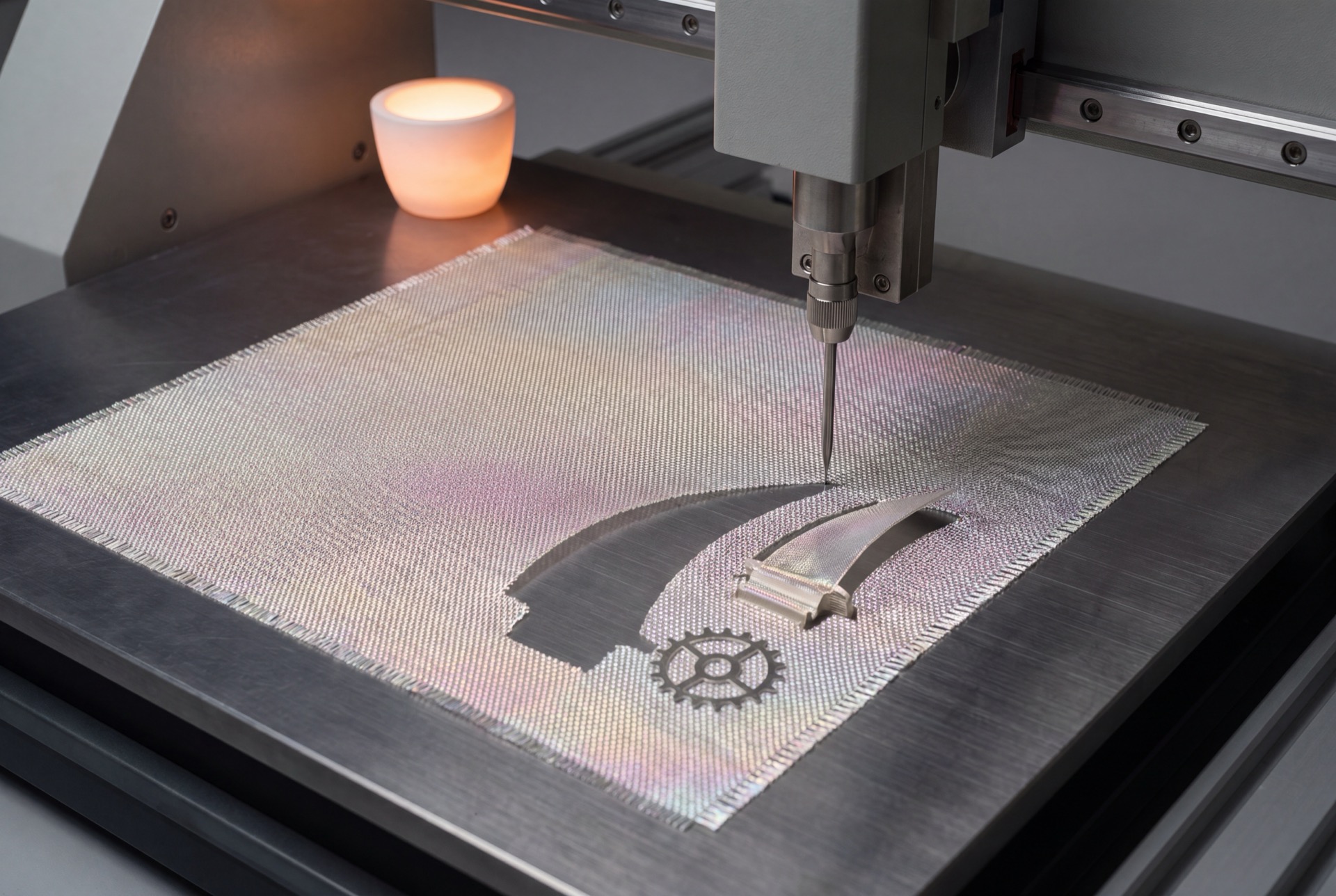
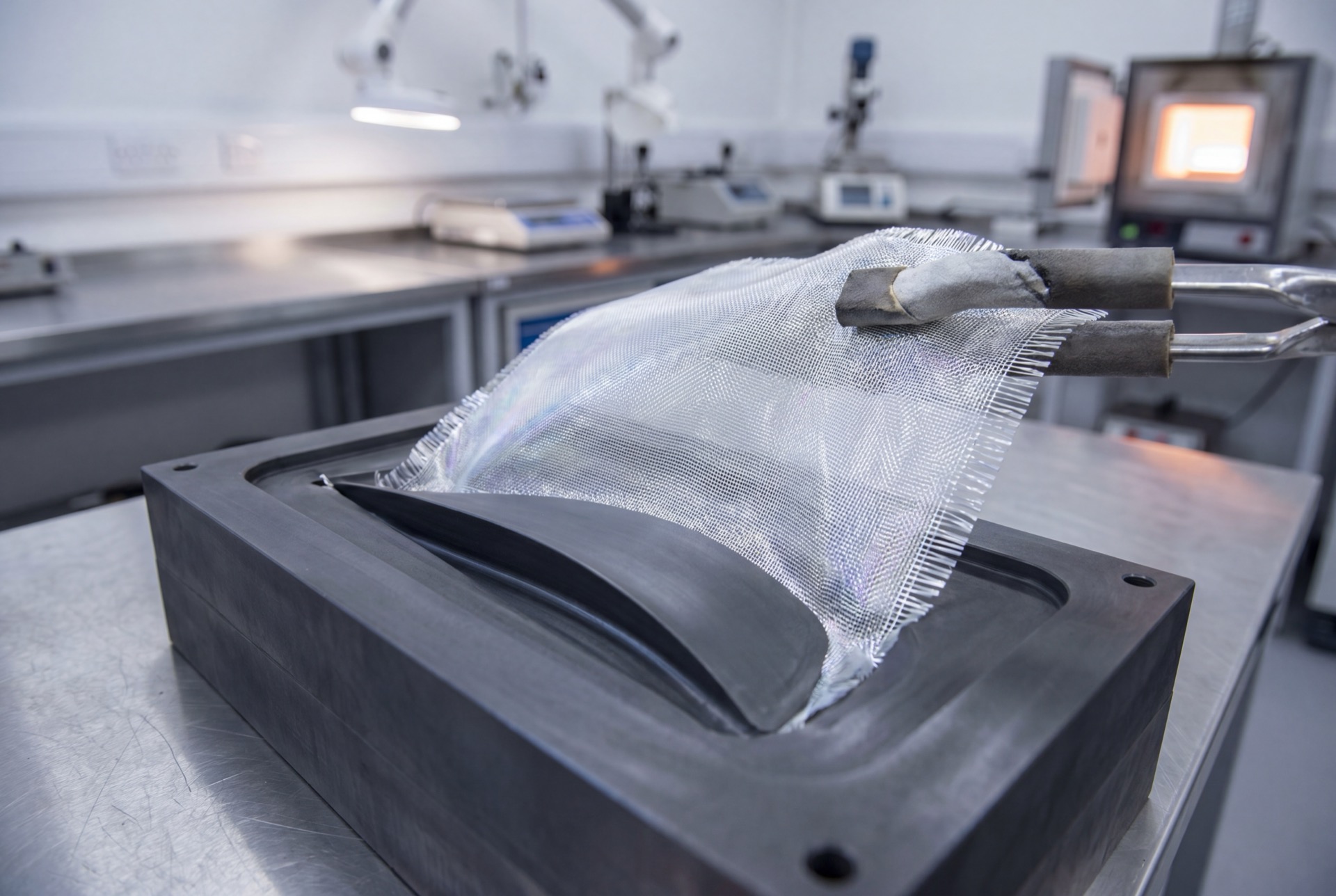
Grow the fibre, weave the cloth, cut it to the software’s pattern, drape it into a graphite mould, and densify to a finished graded part in its final shape. Each step proven before the next.